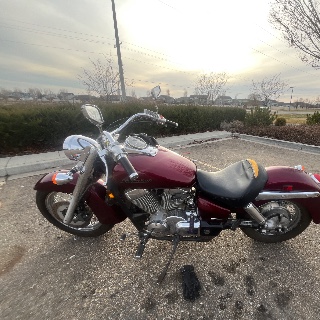
What type of gas should i be putting in my 2004 honda shadow 750 aero, I put unleaded in! also today i figured out my jets are plugged up because my bike will just die with any amount of throttle unless in full choke!
@Kaden Denker regular 87 this is what manufacturer calls for, you could run 91 as your compression ratio is right at the high end of whats considered "low compression. anything else higher than 91 is a literal waste of money.
higher octane is specifically for high compression engines. Your bike has a 9.6:1 compression ratio. so let me lay this out so you can see how this crap works. Ive got a doc ill just paste it in here.
Low Compression: ~8.0:1 – 9.5:1
Your 9.6:1 VT750 AERO is right at the top of this category.
Moderate Compression: ~9.6:1 – 10.5:1
-
Modern cruisers and mild performance engines
-
Balanced power and reliability
-
Usually happy on 87–91 octane
-
Examples:
High Compression: ~10.5:1 – 12.0:1
This is where “high compression” actually starts in motorcycle terms.
-
More power per displacement
-
Requires higher octane fuel (91+)
-
Tighter tuning margins
-
More heat and cylinder pressure
-
Examples:
-
Very High / Performance Compression: 12.0:1 – 14.0:1+
Bottom Line in plain english here -
9.6:1 is not high compression
It’s a reliability-focused, easy-living motor
A true high-compression engine starts around 10.5:1+
Sportbike territory is 12:1 and up
That’s why your Shadow can run forever on cheap gas, tolerate imperfect tuning, and survive abuse—while high-compression engines make more power but demand precision and premium fuel.
 TJ Admin Staff memberModeratorMember who has the rights to delete posts, and ban members form forum if they violate the rules.